Mold

One of Spotless' crew during mold cleanup and contamination removal
Mold

How Long Do Mold Spores Stay in the Air After Cleaning?

Mold may be gone from the wall, but what happens to the spores that were released into the air? There’s no single countdown for how long mold spores remain airborne after cleaning. Some settle relatively quickly, while airflow and everyday activity can stir settled particles back into the air. In this guide, Spotless Lead Inspector Caleb Jones explains what affects airborne mold after cleaning, how professional HEPA vacuums and air scrubbers capture spores, why settled contamination still matters, and why removing the original moisture and mold source is more important than simply waiting for airborne spores to disappear.
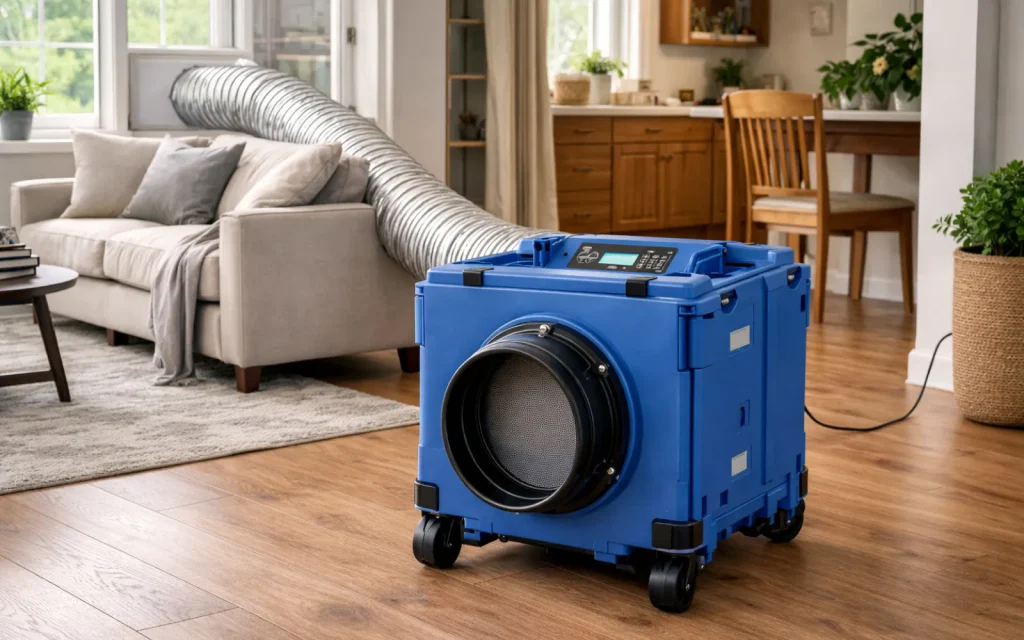
A professional standard air scrubber at work in a Lexington home during indoor air quality improvement work
Mold

Indoor Air Quality After Mold: Spores, Mycotoxins, Air Purifiers, and Whole-Home Cleanup

Removing visible mold is only part of restoring a healthy home. Mold spores, contaminated dust and other particles can remain in the air, settle on surfaces or move through an HVAC system after the obvious growth is gone. In this guide, Spotless Lead Inspector Caleb Jones explains what homeowners should know about indoor air quality after mold remediation, including containment, negative air pressure, HEPA filtration, air scrubbers, HVAC cleaning, fogging, testing, dehumidification and detailed post-remediation cleaning. You’ll also learn what air purifiers can and can’t do, why moisture control matters, and how to reduce the chance of mold returning.

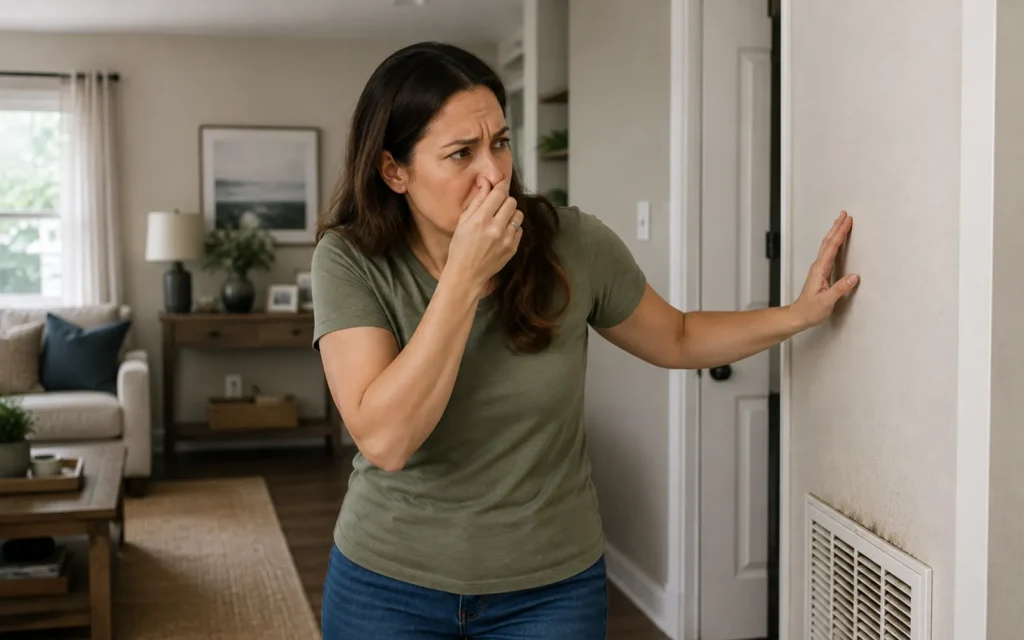
A homeowner in Lexington KY smelling a bad musty smell next to an HVAC vent
Mold

What Does Toxic Black Mold Smell Like?

Toxic black mold is often associated with a musty, damp or earthy odor, but there’s an important catch: you can’t identify Stachybotrys, or determine whether mold is “toxic”, by smell alone. Caleb Jones, Lead Inspector at Spotless, explains how odor fits into a real mold inspection, why he follows musty smells back to water and moisture sources, and where he looks when homeowners can smell mold but can’t see it. Learn what a persistent moldy odor can tell you, what it can’t tell you, and when it’s worth having your Lexington-area home professionally inspected.

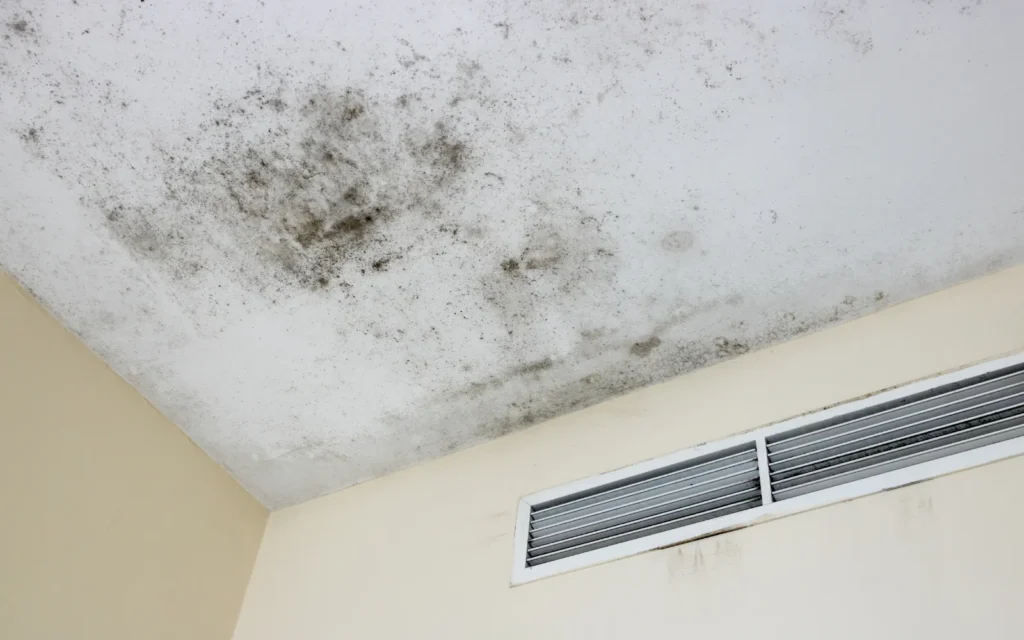
Black mold growing on a ceiling next to an HVAC vent
Mold

What Are the First Signs of Black Mold?

The first signs of black mold aren’t always an obvious patch spreading across a wall. Sometimes the earliest clues are much easier to miss: a recurring musty smell, a baseboard pulling away, a ceiling beginning to buckle, dark discoloration near a leak, or moisture around parts of the home you rarely inspect. Caleb Jones, Lead Inspector at Spotless, explains what he looks for when homeowners suspect black mold and why the moisture behind the problem often matters more than its color. Learn which warning signs deserve a closer look and when it makes sense to schedule a professional mold inspection.

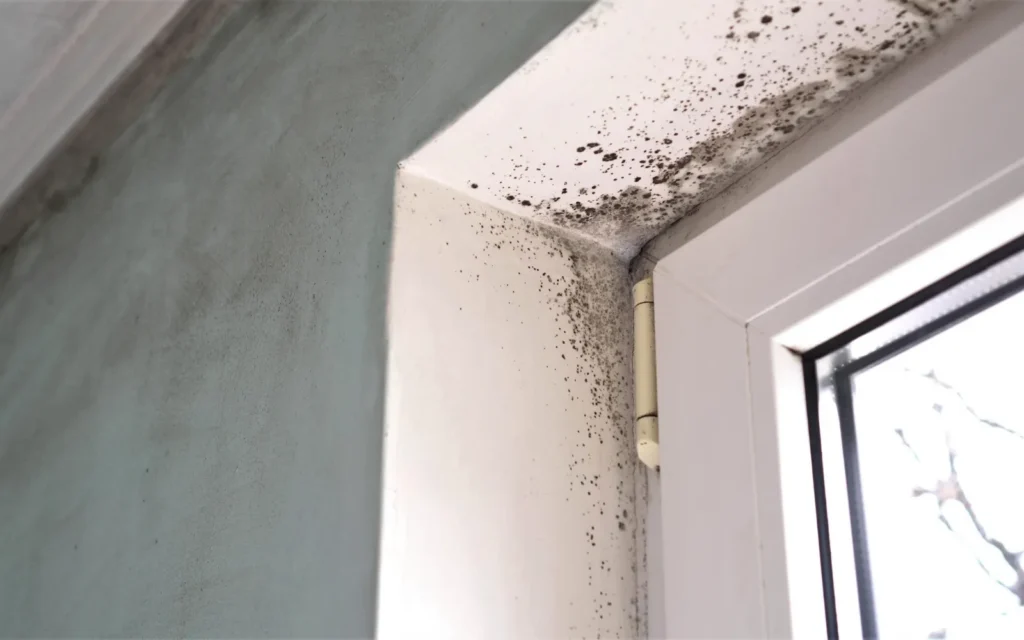
Black mold growing around a window reveal
Mold

When Should You Walk Away from a House with Mold?

When should you walk away from a house with mold? Finding mold during a home purchase doesn’t automatically mean the property is beyond saving, but it should change your due diligence. Caleb Jones, Lead Inspector at Spotless, explains why the extent of contamination, moisture source, HVAC involvement, affected materials and cross-contamination matter more than the color of the mold alone. This guide explains the red flags that deserve closer investigation, how remediation and repair costs should factor into your decision, why contents and hidden mold can complicate the scope, and when uncertainty itself may be a reasonable reason not to proceed.

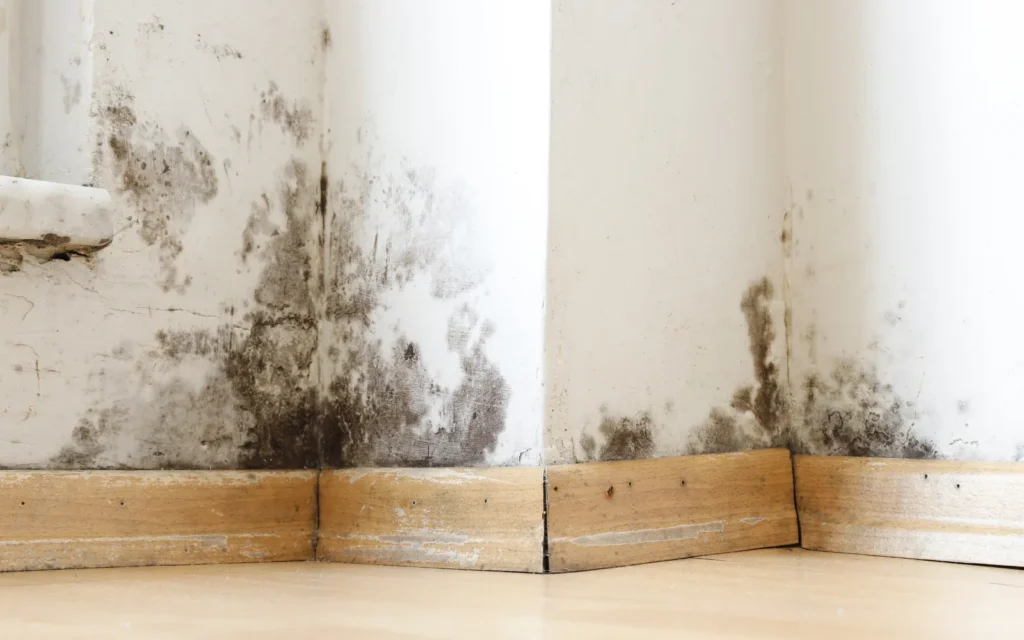
Black mold growth above a baseboard in a Lexington home
Mold

Can I Remove Black Mold Myself? When to Stop and Call a Professional

Can you remove black mold yourself, or is it safer to call a professional? The answer depends on much more than whether the growth looks black. Caleb Jones, Lead Inspector at Spotless, explains where he draws the line between homeowner cleanup and professional remediation, particularly when drywall, insulation, hidden moisture or cross-contamination are involved. We’ll also look at the EPA’s guidance for small mold areas, the protective equipment recommended for cleanup, why opening a contaminated wall changes the job completely, and the warning signs that tell you it’s time to stop experimenting with DIY solutions and get professional help.

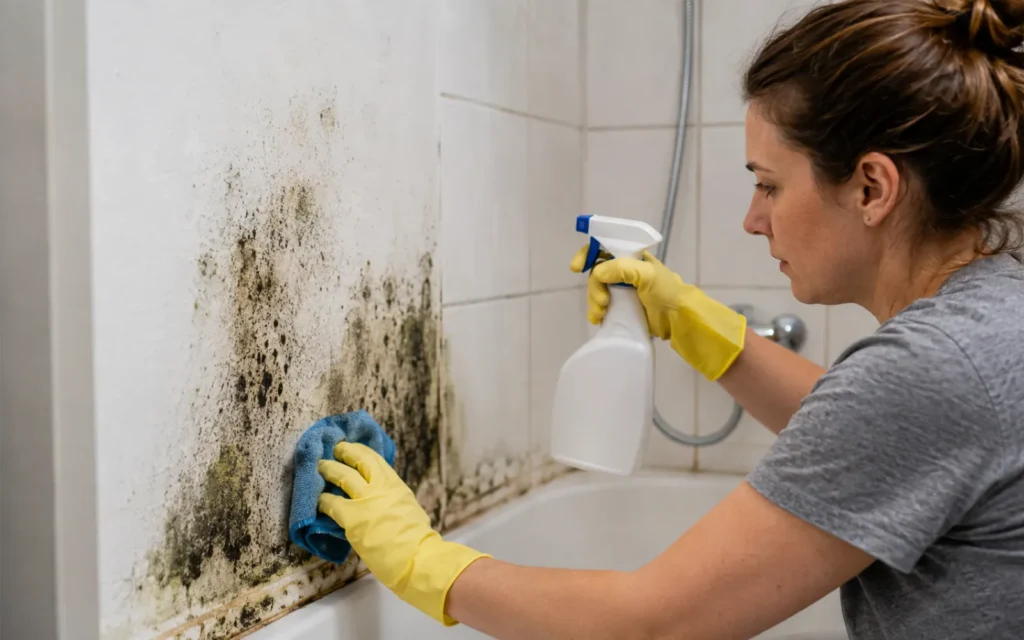
A homeowner in Lexington KY cleaning significant mold growth off a bathroom wall with improper PPE and containment
Mold

Does Bleach Kill Mold or Make the Problem Worse?

Does bleach kill mold, or can it actually make a mold problem worse? The answer is more nuanced than many DIY claims suggest. Bleach can be used to clean mold from certain hard surfaces, but it doesn’t fix leaks, remove hidden contamination, or make every moldy porous material salvageable. Caleb Jones, Lead Inspector at Spotless, explains why he describes repeated bleach treatment as “giving mold a haircut” and why homeowners often see dark growth return. We separate that field experience from EPA and CDC guidance, explain the “bleach feeds mold” claim, and show what needs to happen when surface cleaning isn’t enough.

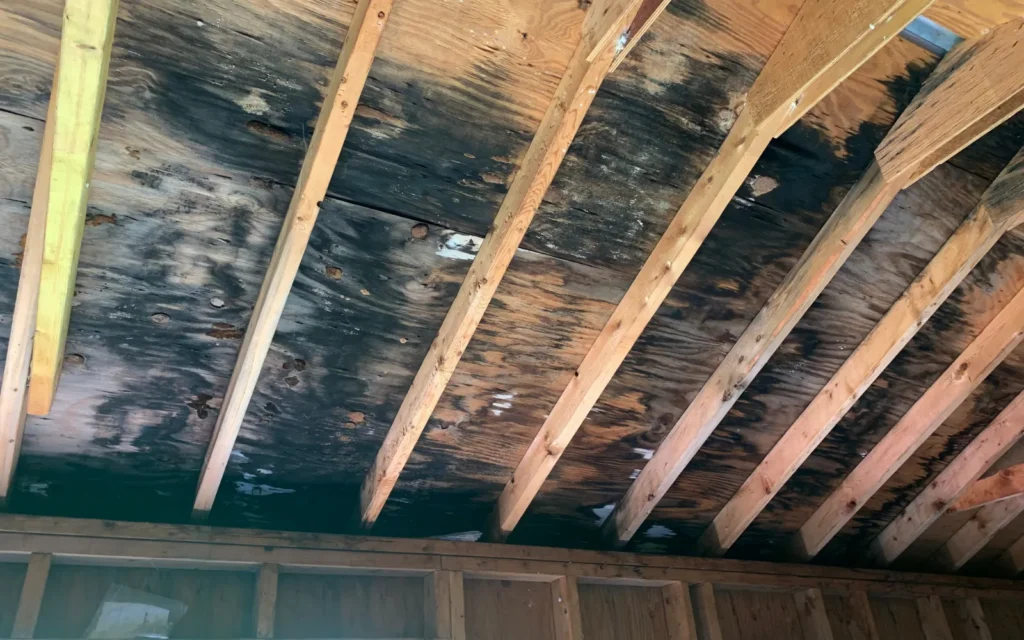
Significant mold growth on an attic roof in a Lexington home
Mold

Can You Safely Live in a House with Black Mold?

Can you safely live in a house with black mold, or should you leave until it’s removed? There isn’t one answer for every home or family. Caleb Jones, Lead Inspector at Spotless, explains why the location and extent of the mold, possible HVAC involvement, how occupants feel in the environment, and any existing health concerns all matter. Rather than using fear to push homeowners out of their houses, Caleb focuses on giving families clear information so they can make an informed decision. Learn when staying may be practical, when temporary relocation deserves consideration, and how professional remediation changes the picture.

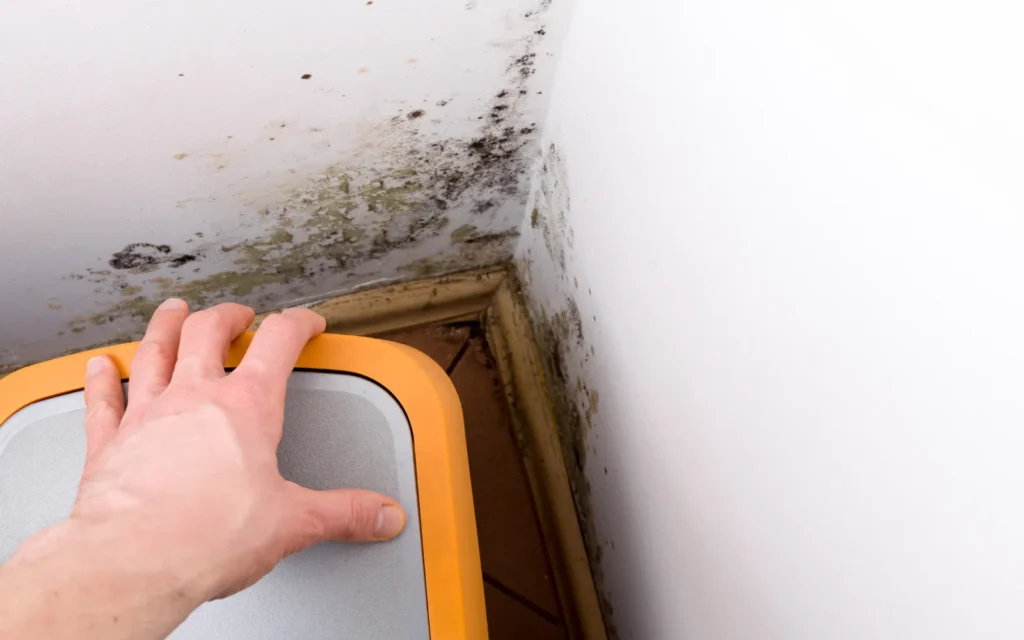
Black mold growing behind a kitchen bin
Mold

What Kills Black Mold Naturally? What Works and What Doesn’t

What kills black mold naturally? Vinegar, baking soda and other household remedies are recommended all over the internet, but their limitations matter. Some substances can inhibit certain molds under laboratory conditions, yet that doesn’t mean they’ll remediate mold growing inside wet drywall, insulation or other porous materials. Caleb Jones, Lead Inspector at Spotless, explains why the team often meets homeowners after DIY remedies haven’t solved the underlying problem. We look at what published research actually says about vinegar, why moisture control matters more than finding a magic spray, and when a natural cleaning approach has reached its practical limit.

Scroll to Top
Call now!