Mold Sensitivity vs Mold Allergy: What’s the Difference?
You know your home doesn’t feel right. Maybe your nose gets stuffy every time you’re inside. Maybe your eyes burn […]
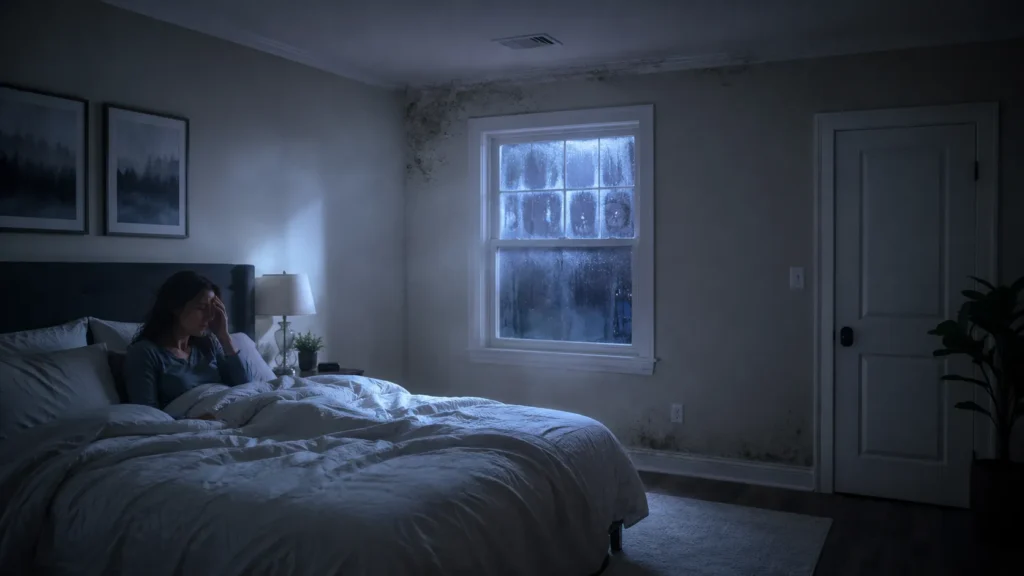
Mold exposure symptoms can be confusing, especially when you can’t see an obvious problem in your home. Headaches, brain fog, fatigue, allergies, respiratory irritation, skin issues, and symptoms that feel worse indoors may all point to poor indoor air quality or hidden moisture concerns. Mold isn’t always the cause, and Spotless doesn’t diagnose medical conditions, but your home environment deserves attention when your body keeps telling you something feels off. For homeowners in Lexington and Central Kentucky, Spotless helps investigate moisture, hidden mold, and air quality issues so you can stop guessing and take the next right step.
After mold remediation, homeowners often wonder what belongings should be thrown away and what can be safely cleaned. The answer depends on the material, how long it was exposed, whether it’s porous, whether it held moisture, and how sensitive the household is to mold. Items like moldy drywall, insulation, carpet padding, paper goods, and heavily contaminated upholstered items are often harder to save, while hard non-porous items may be cleanable. This guide explains how to think through contents after remediation without panic or unnecessary loss.
Whether you should stay in your home during mold remediation depends on the size of the project, where the mold is located, how sensitive your household is, and how the work area will be contained. Some small, isolated projects may allow homeowners to remain in unaffected areas, while larger jobs involving demolition, air quality concerns, mycotoxins, or vulnerable occupants may require leaving temporarily. This guide explains what homeowners should consider before deciding, how containment and negative air pressure work, and what questions to ask before remediation begins.
Mold removal and mold remediation are often used interchangeably, but they don’t mean the same thing. Mold removal usually refers to cleaning or removing visible mold, while mold remediation focuses on identifying the source, controlling spread, safely removing or treating affected materials, improving indoor air quality, and helping prevent the problem from coming back. This guide explains the difference in plain English, why bleach and fogging alone often aren’t enough, and when Lexington homeowners should consider professional help from Spotless.
Professional mold removal is worth it when mold keeps coming back, affects porous materials, follows water damage, spreads into hidden areas, or may be impacting indoor air quality. DIY cleaning may help with tiny surface mildew, but bleach, vinegar, and store-bought sprays often fail to reach the source of the problem. This article explains when homeowners can handle minor mold concerns themselves, when professional mold remediation is the safer choice, and how Spotless helps Lexington-area families address mold with a health-focused approach.
The cost of mold remediation in Lexington KY can vary widely depending on the size of the affected area, the source of moisture, the materials involved, and the level of protection needed during the work. A small isolated project may cost far less than a whole-home remediation involving containment, negative air, air scrubbers, mycotoxin-aware cleaning, or third-party testing. This guide explains what affects the price, why cheaper quotes may not include the same level of protection, and how Spotless helps homeowners understand what they actually need before work begins.
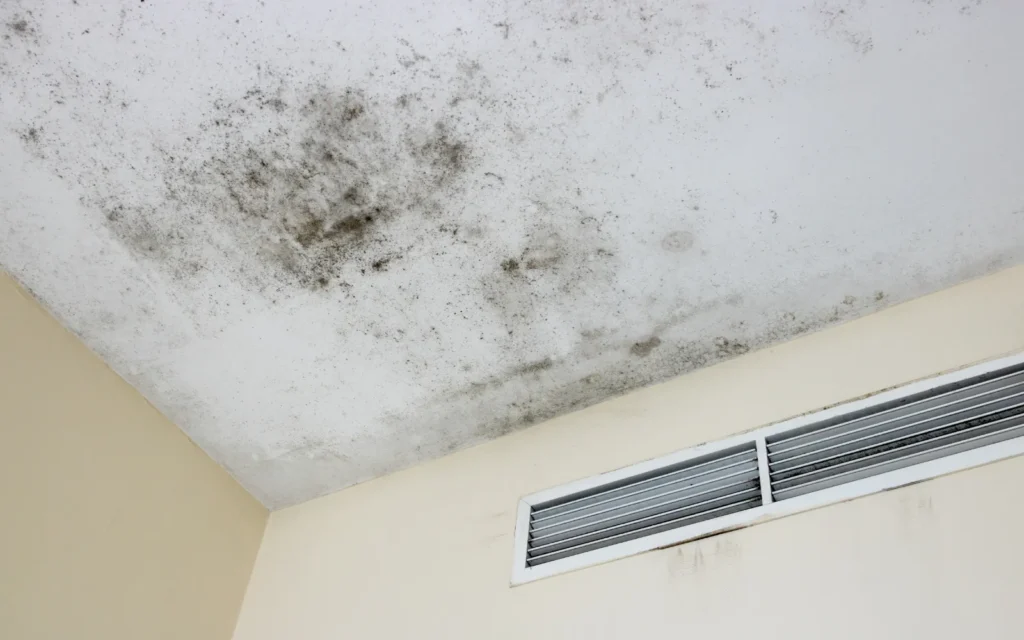
Professionals get rid of black mold by first identifying the moisture source, inspecting how far the mold may have spread, setting up containment, using air filtration and negative air pressure, removing or treating affected materials, cleaning the work area, and helping prevent the mold from returning. The exact process depends on the material, location, severity, and household sensitivity. This guide explains why black mold should not be handled with bleach alone, what professional mold remediation includes, and how Spotless approaches mold problems in Lexington-area homes.
Mold can grow back after remediation if the source of moisture isn’t fixed, humidity stays too high, affected materials are left behind, or the original project didn’t properly control contamination. A good remediation job should identify why mold grew, remove or treat affected materials, protect clean areas, and help the homeowner understand what needs to change afterward. This guide explains the most common reasons mold returns after remediation, how humidity affects Kentucky homes, and what Lexington homeowners can do to reduce the chance of another mold problem.
A mold-infested house can often be saved, but the answer depends on how extensive the mold is, what caused it, which materials are affected, whether the structure is sound, and whether the moisture problem can be corrected. Some homes need targeted remediation, while others require major removal, drying, repairs, air quality work, and third-party testing. This guide explains how professionals evaluate severe mold problems, when a home may still be recoverable, and when homeowners should be cautious before buying or staying in a mold-affected property.