
Spotless Blog
Helpful articles that educate and advocate.
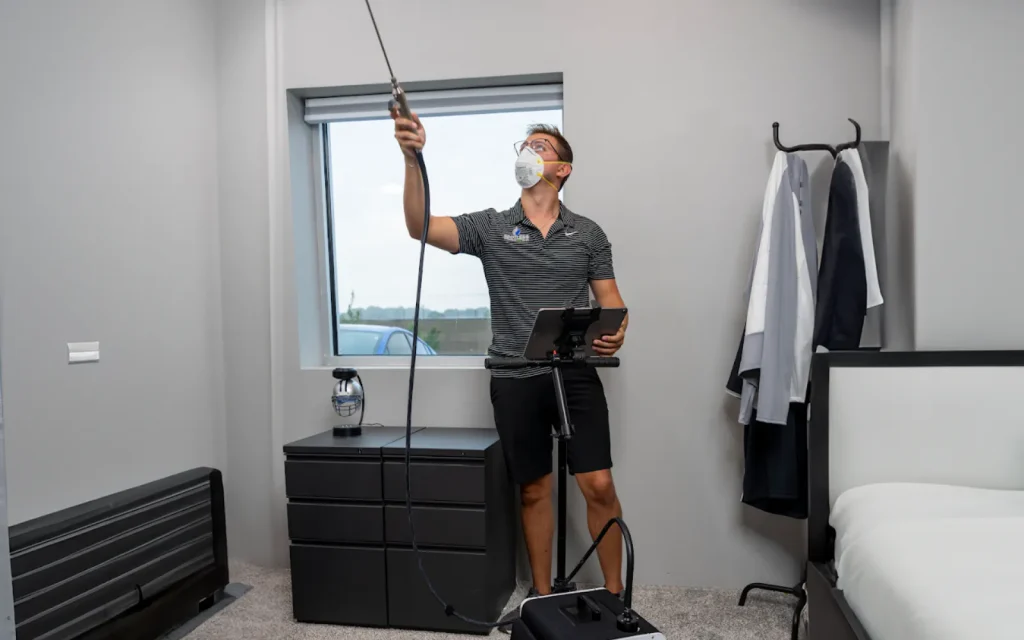
How to Air Test for Mold in Your Home
Air testing for mold can help homeowners understand what may be circulating indoors, especially when there’s a musty smell, unexplained symptoms, or suspected hidden mold with no obvious visible growth….

Signs of Hidden Mold in Walls, Ceilings, and Floors
Hidden mold doesn’t always show up as obvious black spots. Sometimes the first clues are warped flooring, faint staining, musty smells, bubbling paint, recurring dampness, or symptoms that seem worse…

What Can Be Mistaken for Mold Smell?
A musty smell doesn’t always mean visible mold, but it should never be ignored. Odors from damp carpet, bacteria, HVAC dust, sewer gas, pests, VOCs, wet building materials, or old…
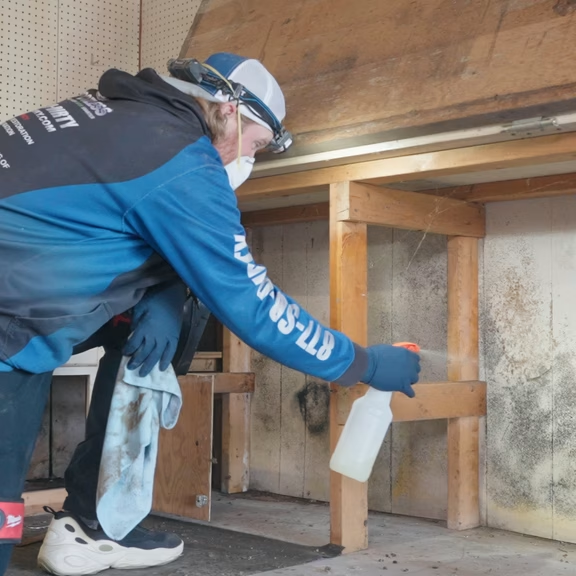
What Does Black Mold Smell Like? Musty Odors Explained
Black mold often has a musty, damp, earthy smell, but odor alone can’t tell you what type of mold is present or how serious the problem is. A mold smell…

What Does Dormant Mold Look Like?
Dormant mold can be confusing because it may look dry, dusty, stained, flat, powdery, or less “active” than the fuzzy mold homeowners expect. But dry-looking mold should not be ignored….

Hidden Mold in Your Home: Signs, Smells, Testing, and What to Do Next
Hidden mold can leave you feeling uneasy because the signs are often subtle: a musty smell, warped flooring, moisture near plumbing, an HVAC issue, or symptoms that seem worse at…