
Basement Mold: Why It Happens and How to Prevent It
The basement smells musty again, even though you’ve cleaned the affected area or kept a dehumidifier running. When the problem returns, it’s worth asking whether the source of the dampness has been fully addressed.
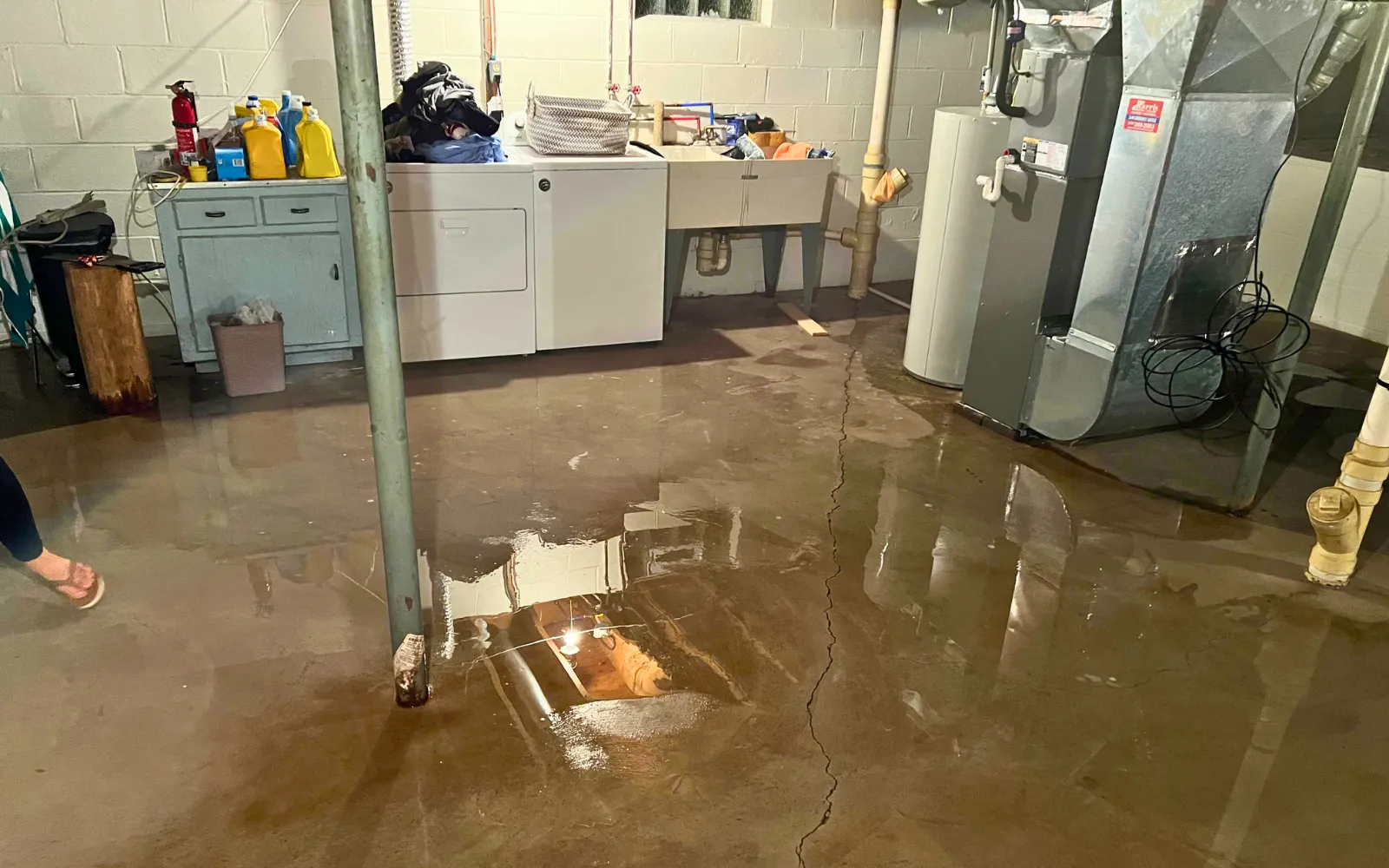
Basement mold can involve water entering from outside, plumbing leaks, condensation, or several conditions together. Choosing an effective response starts with understanding which are affecting your property.
Tina, Spotless’s co-owner, emphasizes investigating the building and monitoring more than one area. That approach is central to keeping mold from coming back, particularly when moisture is hidden behind finished surfaces.
What Causes Basement Mold?
Water Entering From Outside
Water directed toward the foundation can contribute to basement dampness. Gutters, downspouts, ground conditions, and foundation drainage may all need checking.
The 2023 American Housing Survey reported water leakage originating outside 11.8 million occupied U.S. housing units. That’s a nationwide housing figure, rather than a count of basement leaks or Kentucky mold cases.
A damp basement doesn’t automatically need a particular waterproofing system. Identify how water is reaching the space before deciding on repairs.
Plumbing and Equipment Drainage
Leaks from pipes or appliances can wet surrounding materials. Heating and cooling equipment can also contribute when condensate isn’t draining appropriately.
Humidity and Condensation
Humid air contacting cooler basement surfaces can produce condensation. The Department of Energy’s basement assessment guidance discusses both interior and exterior moisture sources, including humid air entering cooler spaces.
Tina cautions against assuming an outbreak has one explanation:
“And I think a lot of people have this misconception that when they have a mold outbreak taking place inside of an indoor living environment, that it’s due to just one thing. And that’s often not the case.”
Tina Craig
Not sure where the dampness is coming from? Ask Spotless to assess the affected areas and discuss what needs investigating.
What Should You Check When the Basement Smells Musty?
Start by noting what changes and when. A smell that strengthens after rain, moisture near equipment, or a new mark on a finished wall can help guide investigation.
Tina has seen investigations reveal more than homeowners expected:
“And many people are astounded once the home gets opened up during the mitigation to discover that they actually had other issues going on.”
Tina Craig
| Observation | What to discuss during an assessment |
| Dampness after rain | Drainage, runoff, and possible water-entry routes |
| Moisture around pipes or equipment | Plumbing leaks, condensation, or equipment drainage |
| Musty smells without an obvious source | Concealed dampness and affected materials |
| Swollen trim or changing wall finishes | Whether moisture has reached concealed construction |
These observations don’t establish that basement mold is present or identify its cause on their own. Share the history too: previous flooding, plumbing work, foundation repairs, and when the smell first appeared.
You don’t need to open a wall yourself to explain the concern. Let the assessment determine which materials need closer examination and how to access them appropriately.
The basement smells musty but you can’t find the source? Contact Spotless before covering up marks or opening suspect materials.
How to Reduce Moisture and Prevent Basement Mold
Prevention should follow the findings. Different sources need different repairs, and a single piece of equipment may not address everything.
- Address water entering from outside. Arrange safe checks of gutters, downspouts, grading, and foundation drainage. Ask a qualified specialist to explain which repairs are needed and why. Drainage work or sump arrangements should suit the property.
- Repair indoor leaks and drainage problems. Include plumbing, appliances, and mechanical-equipment condensate. Keep drains and collection pans maintained as instructed.
- Monitor basement humidity. Use appropriately placed monitors and record patterns. Don’t assume the reading upstairs represents the basement.
- Use suitable dehumidification where needed. Equipment needs appropriate capacity, drainage, and maintenance. Ask about basement dehumidifier installation if persistent humidity needs assessing.
Tina emphasizes monitoring throughout the property:
“But they do need to be watching their humidity levels on all floors of the home and in their crawl spaces.”
Tina Craig
For a general benchmark, the EPA recommends indoor relative humidity below 60%, ideally 30–50% where possible. A room-air reading doesn’t establish whether concealed materials are dry.
Opening windows isn’t always helpful when warm, humid outdoor air reaches cooler basement surfaces. Choose ventilation and dehumidification measures that suit the conditions.
Basement mold prevention also means recognizing equipment’s limits. A dehumidifier can help manage humidity, but it won’t repair water entry or remove existing growth.
Humidity stays high or water keeps returning? Talk to Spotless about assessing the conditions before choosing equipment or repairs.
What If Basement Mold Is Already Present?
Address the Affected Materials
Controlling moisture helps prevent further growth, while existing basement mold needs appropriate attention. What happens next depends partly on the material involved.
Tina explains why common building materials matter:
“And so it’s looking for materials it can do that with, and that’s paper and drywall and cardboard and dust and it’s looking for that.”
Tina Craig
A cleanable hard surface, damaged drywall, affected insulation, and stored belongings may need different decisions. Ask what can be cleaned, what needs removal, and how that decision is being made.
Know When Professional Assessment Makes Sense
The EPA’s homeowner cleanup guidance explains that limited areas may be suitable for homeowner cleanup, depending on the circumstances. Follow its protection and cleanup precautions rather than improvising with household products.
Get experienced help when growth is recurring, materials are extensively affected, water damage is significant, or hidden contamination is suspected. Sewage and other contaminated-water damage require an appropriate professional response.
Growth keeps returning or you suspect hidden mold? Ask about professional mold remediation in Lexington and discuss an assessment with Spotless.
Check the Basement Before Finishing or Rebuilding
Wanting the room finished and usable again is understandable. Tina cautions against rushing to replace materials before the necessary checks and repairs are complete:
“So you’ve got to make sure you take the time before you rush to put the home back together.”
Tina Craig
Basement mold prevention should remain part of the plan when finishing or rebuilding the space. Before new walls or flooring go in, confirm that:
- Identified moisture sources have been addressed.
- Necessary remediation is complete.
- Affected materials have been appropriately checked for dryness.
- Outstanding repairs are coordinated.
- You understand ongoing humidity control and maintenance.
A dry-looking floor doesn’t confirm the condition of everything beneath or behind it. Equipment running for several days isn’t, by itself, evidence that reconstruction should begin.
Keep the repair and drying records you’re given. Ask who is handling any outstanding work so important items don’t fall between contractors.
Before new finishes go in, ask Spotless what moisture checks and follow-up steps are appropriate for your basement.
Keep Basement Moisture Under Control
Start with the source of the dampness, then match the response to what the assessment finds. Repairs, humidity control, and remediation can each have a role, depending on the property.
Tina’s advice is to investigate carefully and monitor conditions throughout the home. You don’t need to diagnose foundation defects or concealed damage yourself, and you shouldn’t have to keep guessing why a problem returns.
For homeowners in Lexington and Central Kentucky, Spotless can help assess recurring basement dampness and suspected mold. Contact our team to explain what you’ve noticed and discuss the next steps.
Spotless is the most trusted name in restoration in central Kentucky including Lexington, Nicholasville and surrounding communities.
Specializing in health-focused mold remediation and water damage restoration, we leave mold-affected clients with a healthier home.
Call 859-459-0424 and speak to a technician today!