
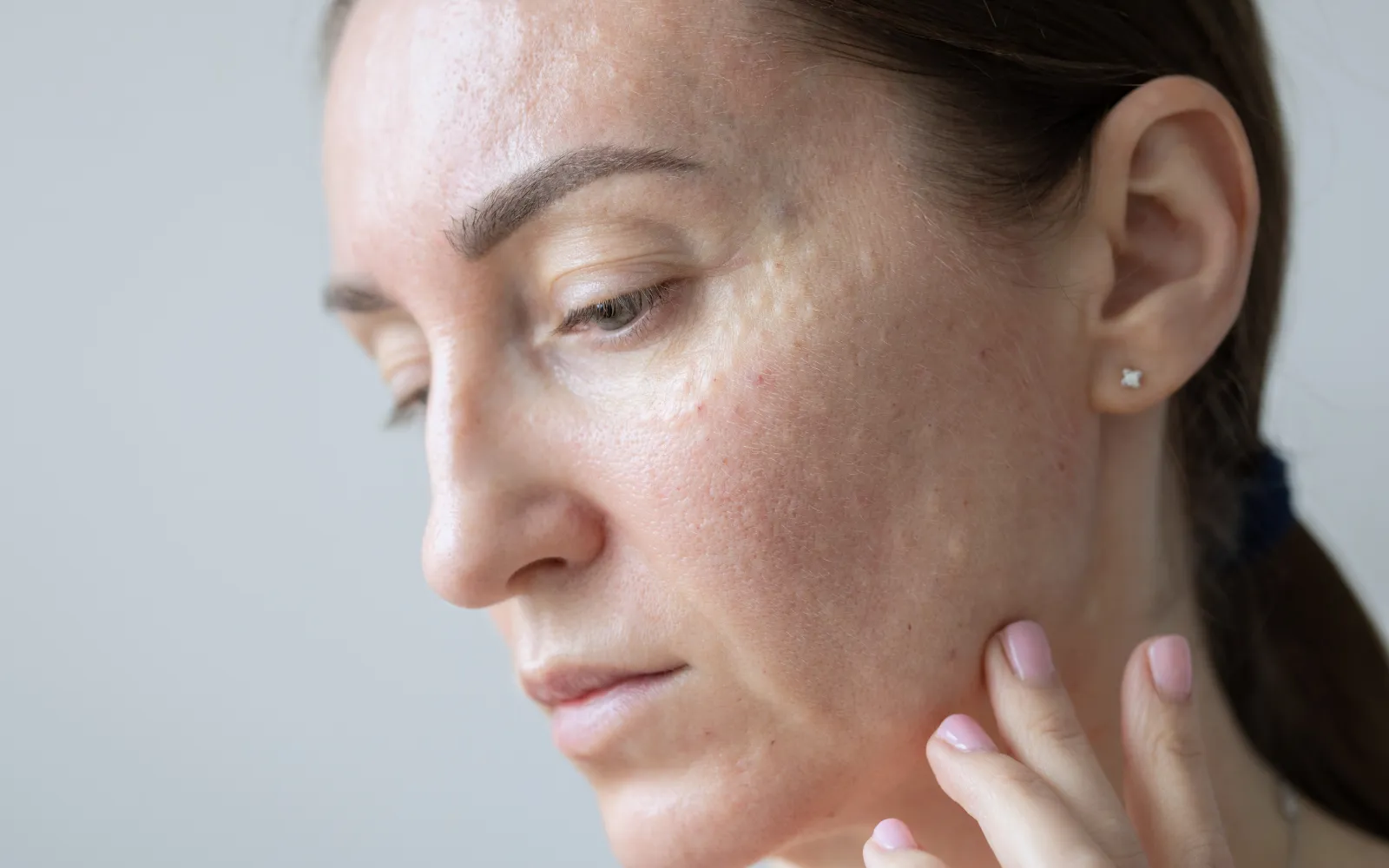
Mold Sensitivity vs Mold Allergy: What’s the Difference?
You know your home doesn’t feel right.
Maybe your nose gets stuffy every time you’re inside. Maybe your eyes burn in one room but not another. Or perhaps you feel foggy, tired, irritated, or “off” around a musty smell, even though allergy testing hasn’t given you a clear answer.
So now you’re trying to work out the difference:
Is this a mold allergy, mold sensitivity, or something else entirely?
That confusion is normal. Mold-related symptoms don’t always fit neatly into one box. In short, a mold allergy usually refers to an immune-system reaction that a healthcare provider or allergist may be able to evaluate. Mold sensitivity is a broader, less specific term people often use when they feel unwell in damp, musty, or mold-affected environments, even if they don’t have a confirmed allergy.
At Spotless, we don’t diagnose mold allergy, mold sensitivity, mold illness, or any medical condition. Speak with a qualified healthcare professional or allergist about your symptoms. What we can do is inspect and address mold, moisture, hidden leaks, and indoor air quality concerns inside the home.
“These are the conversations that we hear from adults who are trying to solve a problem that they know exists in their home, but they can’t put a finger on it.”
Tina Craig
The question isn’t only what label fits your symptoms. It’s whether your home environment is giving you clues that something needs to be investigated.
Mold Sensitivity vs Mold Allergy: The Simple Difference
The simple difference is this: a mold allergy is generally a recognized allergic response to mold, while mold sensitivity is a broader term people use when they feel affected by damp, musty, or moldy environments.
A mold allergy usually means your immune system reacts to mold spores as an allergen. Symptoms often look like hay fever or asthma-type symptoms. A healthcare provider or allergist may be able to evaluate this through your history and appropriate testing.
Mold sensitivity is less clearly defined. It’s often used by homeowners who feel worse around mold, dampness, musty odors, or certain indoor environments, even if they don’t have a confirmed allergy.
| Mold Allergy | Mold Sensitivity |
| Often medically evaluated or tested | Broader, non-diagnostic term |
| Immune/allergic response to mold spores | Feeling unwell around mold, dampness, or musty air |
| Sneezing, runny nose, itchy eyes, rash | May include irritation, fatigue, brain fog, or feeling “off” |
| May trigger asthma symptoms | May overlap with indoor air quality concerns |
| Healthcare provider or allergist helps evaluate | Home inspection helps evaluate the environment |
The American Academy of Allergy, Asthma & Immunology says mold allergy symptoms can include itchy nose, mouth and lips, sneezing, itchy or watery eyes, runny nose, and nasal congestion. Mold can also trigger asthma symptoms such as wheezing, shortness of breath, or chest tightness.
That’s the medical side.
The home side is different. If you feel worse in your house, especially around musty odors, visible mold, past water damage, or damp areas, your home may need to be inspected regardless of whether the issue is allergy, sensitivity, or another indoor air quality concern.
If you feel worse in your home but aren’t sure whether it’s allergy, sensitivity, or indoor air quality, schedule a mold inspection with Spotless.
Common Mold Allergy Symptoms
Mold allergy symptoms often look like other airborne allergies.
You may notice sneezing, nasal congestion, runny nose, itchy eyes, watery eyes, red eyes, throat irritation, coughing, or skin irritation. For some people with asthma, mold exposure symptoms may also include wheezing, chest tightness, shortness of breath, or asthma flare-ups.
The EPA says allergic reactions to mold are common and may be immediate or delayed. Allergic responses can include hay fever-type symptoms such as sneezing, runny nose, red eyes, and skin rash.
Common mold allergy symptoms may include:
- Sneezing
- Runny or stuffy nose
- Itchy, watery, or red eyes
- Itchy nose, mouth, or throat
- Coughing
- Wheezing
- Skin rash or irritation
- Asthma flare-ups in people with asthma
These symptoms may happen in a home, school, workplace, or any indoor environment where mold is present. But they can also be caused by pollen, dust mites, pet dander, smoke, chemical irritants, respiratory infections, or other allergies.
These symptoms can also disproportianately affect children, pets or immunicompromised family members.
That’s why it’s important to involve a medical professional. If you suspect mold allergy, an allergist or healthcare provider can help evaluate your symptoms and determine whether allergy testing makes sense.
At the same time, if symptoms are worse inside your home, Spotless can evaluate the environment for mold, moisture, and indoor air quality concerns.
What People Mean by Mold Sensitivity
Mold sensitivity is a phrase homeowners often use when they don’t feel well around moldy, damp, or musty spaces, but they may not have a confirmed mold allergy.
For some people, it feels like irritation. For others, it feels broader: headaches, fatigue, brain fog, throat irritation, or a general sense that the air in the home is affecting them.
That doesn’t mean mold sensitivity is a diagnosis. It’s a way people describe their lived experience when something in the indoor environment seems to trigger symptoms or discomfort.
“This is what we have seen in the industry. This is what our experience has taught us.“
Tina Craig
People who describe mold sensitivity may say things like:
- “I feel worse in that room.”
- “The basement makes me feel off.”
- “I get foggy when I’m home.”
- “The musty smell gives me a headache.”
- “I feel better when I leave for a few days.”
- “My symptoms come back when I sleep here.”
Those patterns don’t prove mold is the cause, but they do matter.
Spotless pays attention to those details because they help guide the inspection. If symptoms are worse in the bedroom, we may look at the attic above, the crawl space below, the windows, exterior walls, HVAC pathways, or past leaks. If the whole home feels damp or stale, we may look at humidity, drainage, water history, and broader indoor air movement.
If you feel sensitive to your home’s air, Spotless can investigate whether hidden mold, moisture, or indoor air quality concerns are present.
Why One Person Reacts and Another Person Doesn’t
One of the most frustrating parts of mold concerns is that not everyone in the house reacts the same way.
You may feel awful while your spouse feels fine. One child may cough every night while another seems unaffected. A guest may walk in and immediately notice a musty smell that your family has stopped noticing. Or you may be the only one connecting symptoms to the home.
That doesn’t automatically mean you’re wrong. It’s often extremely confusing when trying to tell if mold in your home is making you sick.
People respond differently based on health history, sensitivity, exposure patterns, and where they spend time in the home.
Factors that may affect someone’s reaction include:
- Mold allergy
- Asthma
- Chronic lung disease
- Immune system status
- Age
- Existing health conditions
- Time spent in affected rooms
- Bedroom exposure versus brief exposure
- Individual sensitivity to odors or damp indoor air
The CDC says people with asthma or mold allergies may have severe reactions, and people with weakened immune systems or chronic lung disease may get infections in their lungs from mold.
Tina says many calls begin because someone is noticing that they or their family members are not doing well.
“Oftentimes they are sensing things themselves or they’re seeing their family members… not doing well.”
Tina Craig
If one person reacts more strongly, the right response isn’t dismissal: it should be curiosity. What rooms are they in most? Where do they sleep? What symptoms are they experiencing? Does anything change when they leave the home? Is there moisture, odor, staining, or past water damage in the areas where symptoms feel worse?
Those questions help move the conversation from “Am I imagining this?” to “What does the home show us?”
Allergy, Sensitivity, or Sick Home Pattern? Look at the Environment
Whether you call it mold allergy, mold sensitivity, or simply feeling unwell at home, the next step is to look for environmental patterns.
Symptoms matter, but the house matters too.
Symptoms Worse at Home
One of the clearest clues is feeling worse inside the home and better away from it.
Maybe symptoms improve on vacation. Maybe you sleep better at a hotel. Maybe your child feels better during the school day and worse at night. Maybe you feel clearer at work and foggy when you come home.
“Have you left the property for an extended period of time and seen a change in the health decline for the better in family members?”
Tina Craig
That pattern doesn’t prove mold, but it’s worth documenting.
Musty Odors or Damp Rooms
A musty odor is one of the biggest clues that moisture may be present.
Pay attention to smells in bedrooms, basements, bathrooms, closets, crawl-space-connected rooms, laundry areas, and rooms that feel stale when the door has been closed. Odors that worsen after rain, humidity, or HVAC use are especially worth noting.
Leaks, Water Damage, or Hidden Moisture
Mold needs moisture. That moisture may come from a roof leak, plumbing leak, appliance leak, basement moisture, crawl space humidity, window condensation, poor drainage, or past water damage that was never dried properly.
The EPA says molds are usually not a problem indoors unless mold spores land on a wet or damp spot and begin growing. It also emphasizes fixing moisture problems as part of mold cleanup.
At Spotless, we find the root cause. That means looking beyond visible mold and asking why the condition exists in the first place.
Whether your symptoms are allergy-like or harder to define, Spotless can inspect the home for mold, moisture, and indoor air quality concerns.
How Medical Testing and Home Inspection Work Together
When you’re trying to understand mold sensitivity vs mold allergy, it helps to separate the body from the building.
A healthcare provider or allergist evaluates your body. They can talk through symptoms, health history, allergy testing, asthma concerns, and treatment options.
Spotless evaluates the home. We look for mold, moisture, hidden leaks, musty odors, water damage, building weaknesses, and indoor air quality concerns.
Both sides can matter.
If you only focus on the body, you may miss the environmental source that keeps triggering symptoms. If you only focus on the house, you may miss a medical condition that needs treatment. The strongest plan often includes both: medical guidance for your health and professional inspection for your home.
Tina is clear that Spotless stays in its lane.
“…we try not to be the experts in [health diagnoses].”
Tina Craig
That said, Spotless works with many homeowners who feel dismissed, overwhelmed, or unsure where to turn. Because the team has walked clients through mold-sensitive situations before, they can help point people toward healthcare professionals who are familiar with mold-related concerns while focusing on what Spotless does best: investigating and addressing the home environment.
Talk with a medical professional about your symptoms, then call Spotless to inspect whether your home environment may be part of the problem.
What to Do If You Suspect Mold Allergy or Sensitivity
If you think you may be dealing with mold allergy, mold sensitivity, or poor indoor air quality, start with a practical plan.
First, track your symptoms. Write down what you feel, where it happens, and whether certain rooms seem worse.
Second, pay attention to time away from home. Do symptoms improve when you leave for a weekend, sleep somewhere else, or spend the day outside the house?
Third, look for home clues without disturbing suspected mold. Note musty odors, water stains, damp areas, condensation, past leaks, crawl space moisture, or visible growth.
Fourth, speak with a qualified healthcare professional or allergist. If symptoms involve breathing trouble, asthma, severe reactions, or immune concerns, don’t wait.
Fifth, schedule a professional mold inspection if your symptoms and home clues overlap. You need evidence before making decisions about remediation.
“No more guessing. We take them out of the ‘I don’t know’ zone.”
Tina Craig
Finally, if mold or moisture is found, choose remediation carefully. Health-focused mold remediation should address the moisture source, containment, cross-contamination control, affected materials, drying, and indoor air quality. It should not be a quick wipe-down that ignores why the mold grew.
At Spotless, we get it. Feeling dismissed in your own home is exhausting. We’ll listen, inspect carefully, and help you understand whether mold, moisture, or indoor air quality concerns need to be addressed.
Spotless is the most trusted name in restoration in central Kentucky including Lexington, Nicholasville and surrounding communities.
Specializing in health-focused mold remediation and water damage restoration, we leave mold-affected clients with a healthier home.
Call 859-459-0424 and speak to a technician today!