
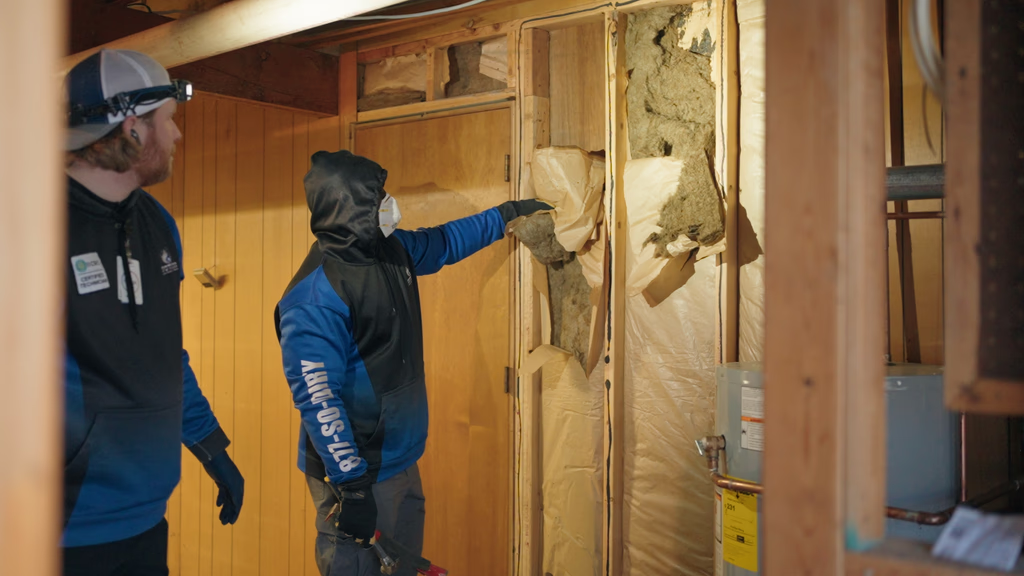
What Lexington Homeowners Should Know Before Mold Remediation
Finding mold in your home can feel deeply unsettling. Sometimes the signs are obvious: dark staining on drywall, a musty smell, bubbling paint, moisture around a bathroom, or water damage from a leak. Other times, the house looks mostly normal, but someone in the family keeps dealing with headaches, fatigue, brain fog, breathing issues, skin irritation, or symptoms that seem worse indoors.
That uncertainty is what makes mold so stressful. You’re not just wondering how to clean a wall, you’re wondering whether the air in your home is safe, whether the problem is hidden, and whether your family’s health could be affected.
“Most of the time it’s a client’s first time ever dealing with like a mold situation. So it’s very, very educational from the start.”
Caleb Jones
Professional mold remediation in Lexington KY is different from spraying a surface or tearing out a small section of drywall and hoping the problem is gone. A thorough remediation project looks for the moisture source, identifies affected materials, protects clean areas of the home, removes or treats contamination correctly, and considers indoor air quality and the health of the occupants throughout the process.
The CDC notes that damp and moldy environments can cause symptoms such as stuffy nose, sore throat, coughing or wheezing, burning eyes, and skin rash. People with asthma, mold allergies, chronic lung disease, or weakened immune systems may be more vulnerable to stronger reactions.
Spotless doesn’t diagnose medical conditions or promise health outcomes. But as a health-focused, IICRC-certified mold remediation company with more than 30 years of experience, the team understands why homeowners want the job done carefully, especially when someone in the home is already sensitive or unwell.
We sat down with Caleb Jones, Sales Manager at Spotless, to put together this guide on what mold remediation involves, how Spotless approaches the process, why containment and air quality matter, what affects cost, when DIY isn’t enough, and how to reduce the chance of mold coming back.
For service information, pricing, and scheduling, visit our mold remediation in Lexington KY page.
Watch the full interview here!
- What Mold Remediation Actually Means (Why It’s Different from Surface Cleaning)
- The Spotless Mold Remediation Process: From First Call to Final Cleanup
- Why Containment, Negative Air, and Cross-Contamination Control Matter
- Mold, Mycotoxins, and Indoor Air Quality: Why Spotless Looks Beyond the Wall
- DIY Mold Cleaning vs Professional Mold Remediation
- How Much Does Mold Remediation Cost in Lexington KY?
- How to Know the Job Was Done Thoroughly
- How to Prevent Mold from Coming Back After Remediation
- Conclusion: Get Mold Remediation Done Right the First Time
What Mold Remediation Actually Means
(Why It’s Different from Surface Cleaning)
Homeowners often use “mold removal” and “mold remediation” interchangeably. That’s understandable. If there’s mold in your home, you want it gone.
But professionally, there’s a big difference.
“Mold removal” can sound like the goal is to remove every mold spore from a house. That isn’t realistic. Mold spores naturally exist indoors and outdoors. The real problem is active mold growth inside the home, usually caused by moisture, leaks, humidity, poor ventilation, or water-damaged materials. So mold removal often means simply that – removing mold affected materials from a home.
Mold remediation is the process of correcting the root problem. It’s not just making a stained wall look clean again or removing some drywall. It’s about finding the moisture source, understanding what materials are affected, preventing cross-contamination, removing or treating mold properly, and helping the home return to a cleaner, healthier condition.
“Every single house is so different and there’s really not a standard procedure that you can apply in every single situation.”
Caleb Jones
No two homes are exactly alike. One Lexington homeowner may have mold from a small bathroom leak. Another may have hidden growth in a crawl space, basement, attic, or wall cavity. Another may have already paid for remediation once, only to realize the real source was never fixed.
The EPA says “the key to mold control is moisture control,” which is why basic surface cleaning often fails. If the water problem remains, mold can come back.
Why visible mold is only part of the problem
The mold you can see may not be the full issue. Growth can extend behind drywall, under flooring, inside cavities, around trim, or into porous materials. Spraying bleach, vinegar, or a store-bought cleaner may lighten the surface, but it doesn’t necessarily solve the moisture problem or remove affected materials. That means the mold can just grow back, often stronger.
Mold fogging can also be useful in the right context, but it shouldn’t be treated as a cure-all. Unfortunately, many remediation companies treat mold fogging as the beginning and end of their remediation process, but if active mold is growing inside drywall, insulation, or other porous materials, fog alone won’t remove the source or provide a lasting solution.
A proper mold remediation plan should answer clear questions:
- What’s affected?
- Why did mold grow there?
- What can be cleaned or treated?
- What needs to be removed?
- How will the rest of the home be protected?
- How will air quality be handled?
- What needs to change so the mold doesn’t return?
For mold- and mycotoxin-sensitive homeowners, that level of care really matters. A rushed job can leave contamination behind or spread particles into cleaner areas of the home, making everyone inside feel sicker.
Not sure whether you need removal or full remediation?
Spotless offers free inspections so a trained professional can look at the moisture source, affected materials, and indoor air concerns before you make a decision.
Schedule a free inspection with Spotless.
The Spotless Mold Remediation Process: From First Call to Final Cleanup
When a homeowner calls Spotless about mold, the first step isn’t demolition. It’s a simple conversation.
Most people are dealing with mold for the first time, so Caleb and the team start by listening. They want to know what the homeowner has seen, smelled, and experienced. Is there visible mold? Was there a leak? Is there a musty odor? Is someone in the home feeling worse indoors? Has there been a previous remediation attempt?
That conversation helps shape the inspection and the scope.
“If you do a really good job, I think that every house just becomes its own puzzle and you just have to figure out the best solution that’s going to get the family healthy again.”
Caleb Jones
1. Inspection and moisture investigation
A proper mold inspection in Lexington KY looks beyond the obvious mold spot. Mold often grows where moisture collects, and those areas aren’t always easy to see.
Spotless may inspect bathrooms, basements, crawl spaces, closets, attic areas, wall cavities, ceiling lines, and other common trouble spots. The goal is to understand the pattern: where moisture came from, how long materials may have been affected, and whether the problem could be more widespread than it first appears.
2. Scope and remediation plan
Once the inspection is complete, Spotless explains what needs to happen and why. Depending on the home, the plan may include targeted removal, treatment of affected surfaces, containment, negative air pressure, air scrubbers, antimicrobial fogging, whole-home wipe-downs, or recommendations for third-party testing.
Not every project needs the same level of work. Some materials can be cleaned or treated. Others, especially porous materials like drywall or insulation, may need to be removed.
3. Remediation, cleanup, and prevention
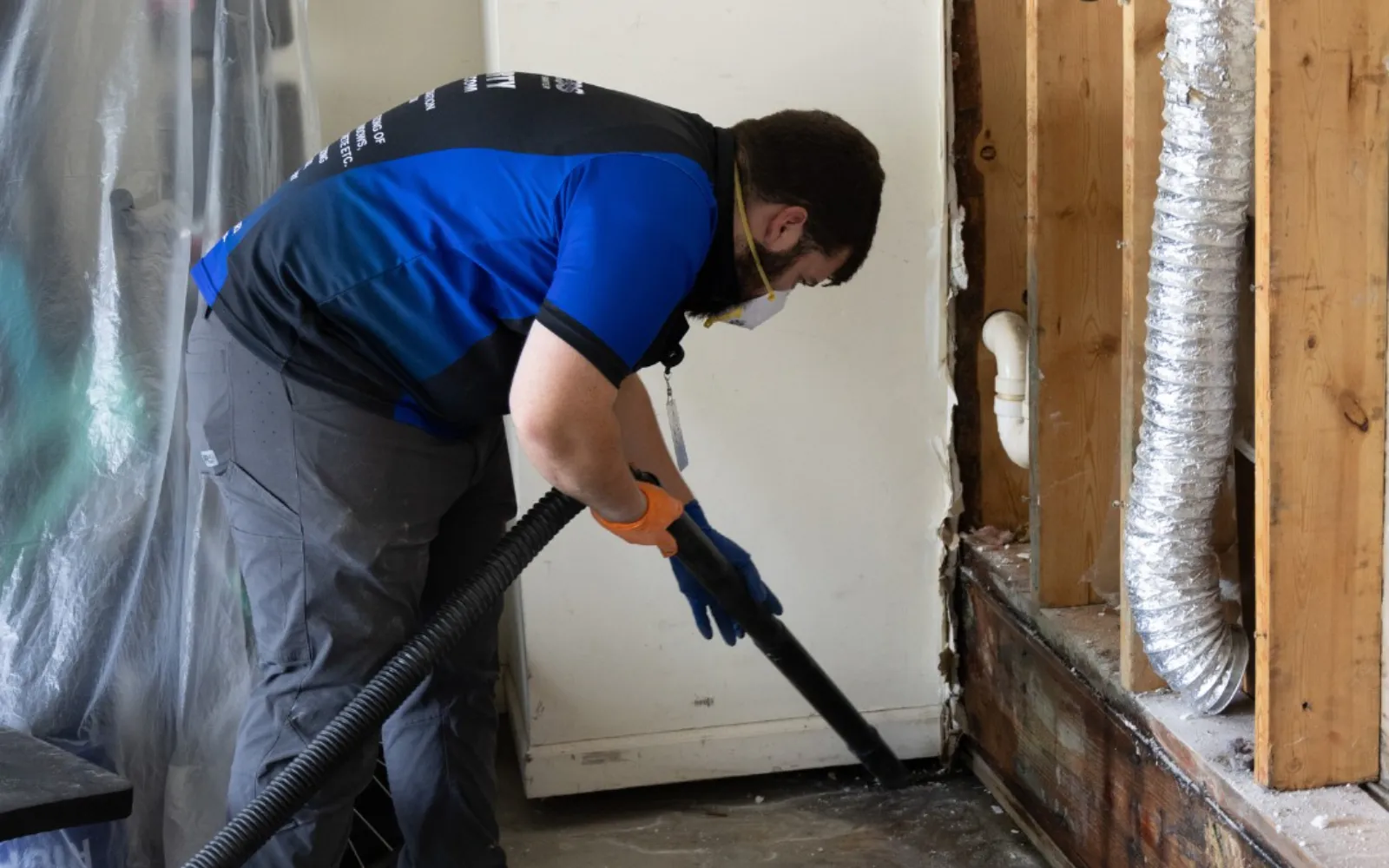
During the work, the team focuses on removing or treating affected materials without spreading contamination into cleaner parts of the home. Afterward, cleanup and air quality steps help reduce lingering particles, dust, and debris.
Spotless also helps homeowners understand what needs to happen next. Sometimes that means involving a plumber, roofer, HVAC contractor, waterproofing company, or builder to correct the issue that allowed mold to grow in the first place.
A mold remediation job isn’t truly complete if the original moisture problem is still there.
If you suspect mold but aren’t sure where it starts or how far it’s spread, call Spotless for a professional mold inspection in the Lexington area. You’ll get a clear explanation of what’s going on and what your options are before any work begins.
Why Containment, Negative Air, and Cross-Contamination Control Matter
One of the biggest differences between surface cleaning and professional mold remediation is how carefully the rest of the home is protected during the work.
When mold-affected materials are disturbed, particles can become airborne. Dust, debris, spores, and other contaminants can move into areas that weren’t part of the original problem. That’s why containment and air control matter so much.
“Containment is one of the most useful tools for cross-contamination.”
Caleb Jones
Containment usually means separating the work area from the rest of the home using plastic barriers, sealed doorways, protected walkways, or even temporary containment hallways. The goal is simple: keep the affected area isolated so the work doesn’t create a bigger issue elsewhere.
Negative air pressure is another important part of the process. It helps pull airborne particles away from the living space while demolition, cleaning, or treatment is happening. Air scrubbers and filtration equipment may also be used to capture particles during the project.
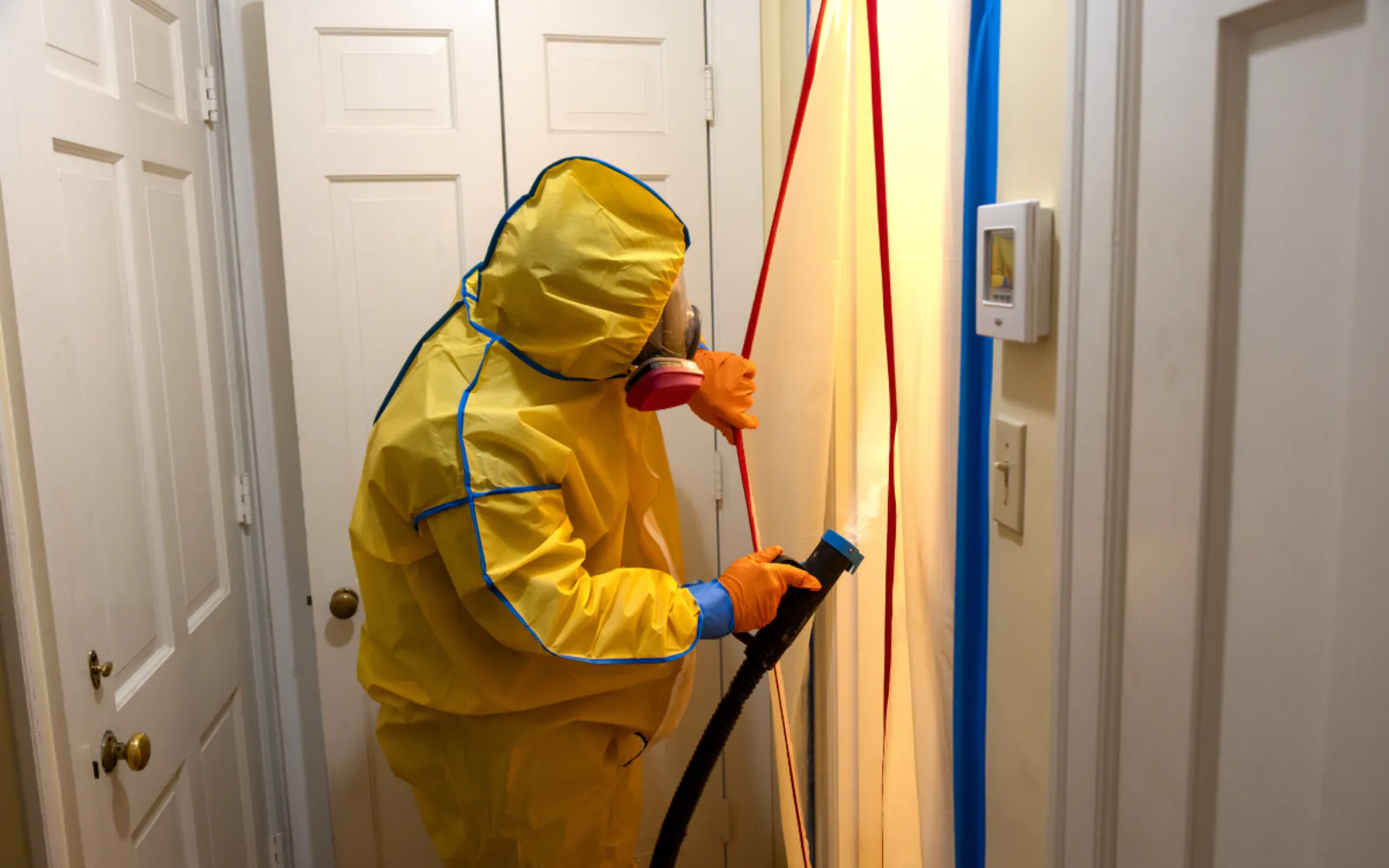
In a proper mold remediation project, protection may include:
- Containment barriers around the work area
- Negative air pressure
- Air scrubbers or HEPA filtration
- PPE for technicians
- Controlled removal of affected materials
- Careful cleanup after the work is complete
- Floor and surface protection in nearby areas
This is especially important for homeowners who are already sensitive to mold or worried about indoor air quality. A company can remove a piece of moldy drywall, but if they drag contaminated debris through the home or disturb the area without proper controls, they may create more problems than they solve. It’s sometimes advisable for homeowners to vacate their property while remediation work is ongoing.
Spotless takes containment seriously because the goal isn’t just to remove what’s visible. It’s to complete the work in a way that protects the rest of the home as much as possible.
Mold, Mycotoxins, and Indoor Air Quality: Why Spotless Looks Beyond the Wall
For many homeowners, mold becomes more concerning when it’s tied to how they feel inside the home. As we’ve discussed, you may notice headaches, fatigue, brain fog, congestion, skin irritation, or symptoms that seem worse in certain rooms.
Spotless doesn’t diagnose illness, and anyone dealing with symptoms should talk with a qualified medical professional. But the home environment still matters and is known to cause wide-ranging symptoms. Mold, moisture, dust, spores, and poor indoor air quality after mold can all play a role in how a home feels to live in.
“We’re really big believers in air quality and making sure that the air quality is improved and any spores and stuff like that are introduced into the air are taken care of.”
Caleb Jones
Caleb also explained that mycotoxins are one reason Spotless takes a more careful, health-focused approach. Mold is a living organism, and certain molds can produce mycotoxins – toxins released into the atmosphere as a defense mechanism. When mold is disturbed during remediation, the home can sometimes need more than simple removal of visible growth.
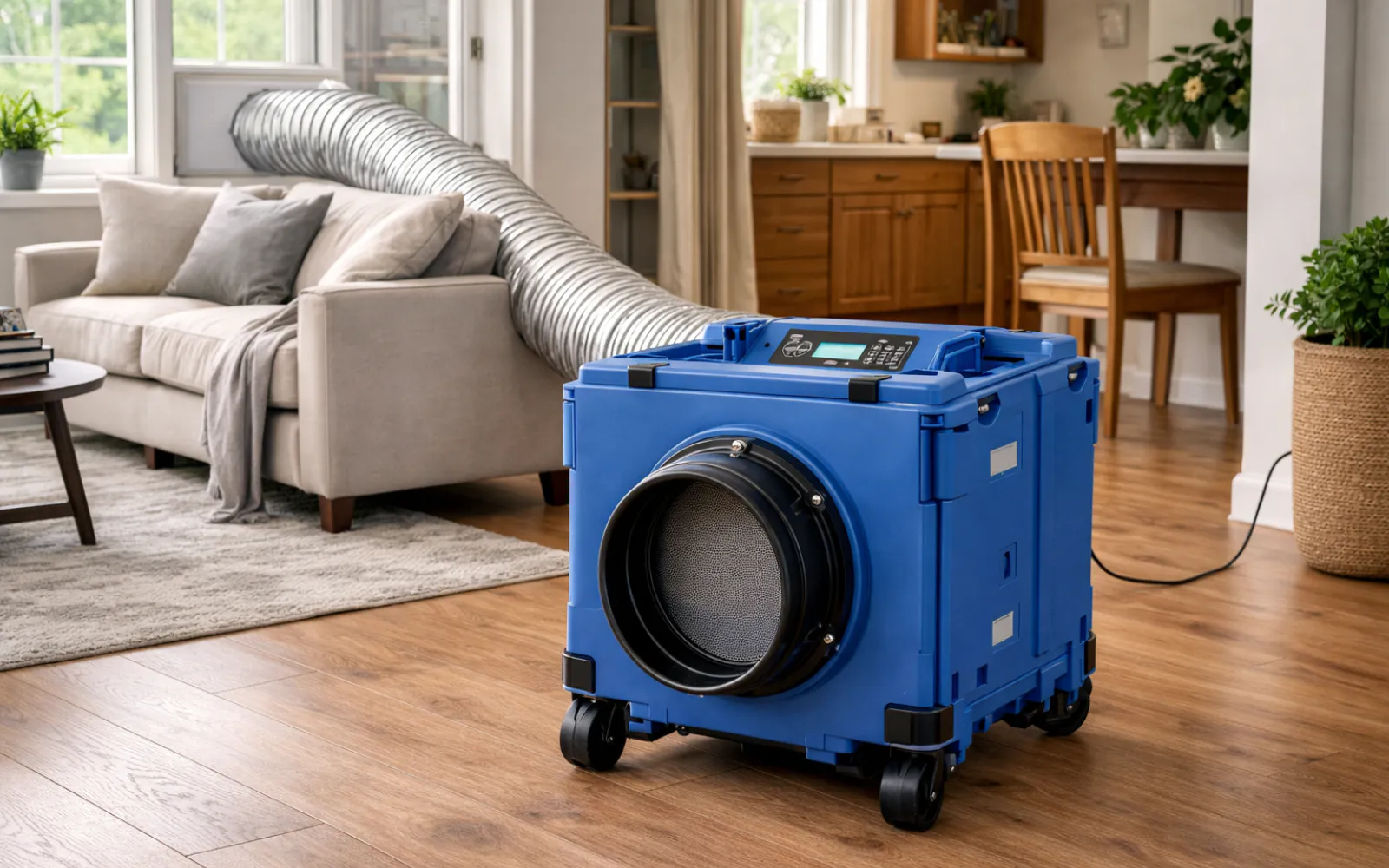
That’s why some projects may include air scrubbers, negative air pressure, antimicrobial fogging, detailed cleaning, and whole-home wipe-downs of horizontal surfaces where dust and debris can settle.
The CDC/NIOSH notes that people who spend time in damp buildings have reported symptoms like respiratory symptoms, worsening asthma, allergic rhinitis, eczema, and other concerns.
Again, that doesn’t mean mold is the cause of every symptom. But if a home has active mold growth, high humidity, water damage, or musty odors, it’s worth taking the indoor environment seriously.
This is where Spotless’ approach is different from a basic tear-out. The team isn’t only asking, “What material needs to come out?” They’re also asking, “What happened to the air, dust, and nearby surfaces while this mold was growing and while it’s being removed?”
Answering that question is vital, especially for the countless chronically ill and mold-sensitive homeowners Spotless has helped. Often other companies dismiss these concerns – Spotless takes them seriously.
DIY Mold Cleaning vs Professional Mold Remediation
It’s completely understandable to want to handle mold yourself, especially if it looks small. Many homeowners try bleach, vinegar, store-bought sprays, or a quick wipe-down before calling a professional.
The problem is that mold is often more than a surface stain.
“[Those products] will have a visual effect on the mold, but it doesn’t stay wet enough for long enough to actually penetrate into the surface.”
Caleb Jones
That’s how Caleb described common home remedies like bleach or vinegar. They may make the mold look lighter for a while, but that doesn’t mean the growth has been properly treated or the moisture problem has been fixed. In some cases, adding moisture to a mold-affected surface can make the problem worse once the product dries. Mold can ‘feel’ threatened by the assault and release more spores and mycotoxins in response!
DIY cleaning may be reasonable for very small areas of surface mildew where the moisture issue is obvious and corrected. But professional help is safer when mold keeps coming back, affects porous materials, follows a leak or flood, appears in a crawl space or attic, or may be impacting indoor air quality.
Professional mold remediation is also worth considering if someone in the home is already sensitive, chronically ill, immunocompromised, or worried that the home may be contributing to their symptoms.
Fogging-only treatments should be viewed with the same caution. Fogging can be useful as part of a broader remediation plan, but if active mold is still growing behind drywall, inside insulation, or on other affected materials, fog alone won’t solve the source.
If mold keeps coming back after you clean it, stop treating it like a cosmetic problem.
Spotless can help identify the mold source and recommend a remediation plan that fits the situation.
How Much Does Mold Remediation Cost in Lexington KY?
The cost of mold remediation in Lexington KY depends on the home, the source of the problem, the materials affected, and how much protection is needed during the work. There’s not a set answer, unfortunately.
A small, isolated job may be relatively simple. A larger project involving crawl spaces, basements, hidden moisture, HVAC concerns, whole-home air quality, or health-sensitive occupants may require a much more detailed scope.
“I’ve done jobs for $500 and I’ve done jobs for $90,000. I mean, the range is just so, so large.”
Caleb Jones
That’s why it’s hard to give a flat price without inspecting the home. The biggest cost factors usually include:
- The size of the affected area
- Where the mold is located
- Whether drywall, insulation, flooring, or other porous materials are affected
- Whether containment and negative air are needed
- Whether air scrubbers, fogging, or detailed cleaning are recommended
- Whether the moisture source has been identified and corrected
- Whether third-party post-testing is needed
- Whether there’s been a previous failed remediation attempt
Caleb also explained that when Spotless is quoting the same exact scope as another qualified remediator, pricing is usually competitive. The difference is often that Spotless may recommend more protection, more air quality control, or a more complete scope when the situation calls for it because Spotless looks at the problem holistically and considers what’s best for the homeowner, not their own margins.
That’s especially important when a family is dealing with health concerns. A cheaper quote that skips containment, air filtration, cleanup, or source correction may cost more later if the mold comes back or the home still doesn’t feel right.
How to Know the Job Was Done Thoroughly
A mold project shouldn’t end with the contractor simply saying, “Looks good.” Homeowners deserve to know the source was addressed, affected materials were handled properly, and that the home has been cleaned in a way that fits the level of contamination.
A thorough mold remediation job should include:
- The moisture source identified
- Affected materials removed, cleaned, or treated appropriately
- Containment and air control used where needed
- Dust and debris cleaned from the work area
- Air quality considered, especially in sensitive homes
- Clear recommendations to prevent regrowth
- Third-party post-testing discussed when appropriate
“I’m a really big fan of third party post testing, whenever a client will spend the money, to make sure that mold remediation companies, us included, are doing what they said that they would do.”
Caleb Jones
Caleb explained that he sees an ethical problem with remediation companies clearing their own work and bypassing third-party testing. An independent professional can help verify whether the work achieved the intended result and give the homeowner more confidence moving forward.
Post-testing isn’t always required, but for larger projects, health-sensitive clients, or situations where there’s been previous failed remediation, it can be a smart investment.
Ask Spotless about third-party post-remediation testing and what it can tell you before you close the book on a mold project.
How to Prevent Mold from Coming Back After Remediation
Mold prevention comes down to controlling the conditions mold needs to grow. In Kentucky homes, that usually means paying close attention to water intrusion and humidity.
“The two biggest things for me are moisture prevention and humidity control.”
Caleb Jones
Humidity is a major issue in Lexington and surrounding areas. Basements, crawl spaces, and closed-up rooms can hold damp air long enough for mold to start growing on surfaces. Caleb mentioned one basement where humidity was only around 62% after the family had been away for a couple of months. When they came back, the basement had widespread mold growth.
The EPA recommends keeping indoor humidity below 60% where possible, and ideally between 30% and 50%.
Homeowners can reduce the chance of mold returning by:
- Keeping indoor humidity under control
- Fixing leaks quickly
- Using dehumidifiers where needed
- Monitoring basements, crawl spaces, bathrooms, and HVAC areas
- Drying water-damaged materials quickly (and thoroughly)
- Considering leak detection systems
- Making sure the home has enough ventilation
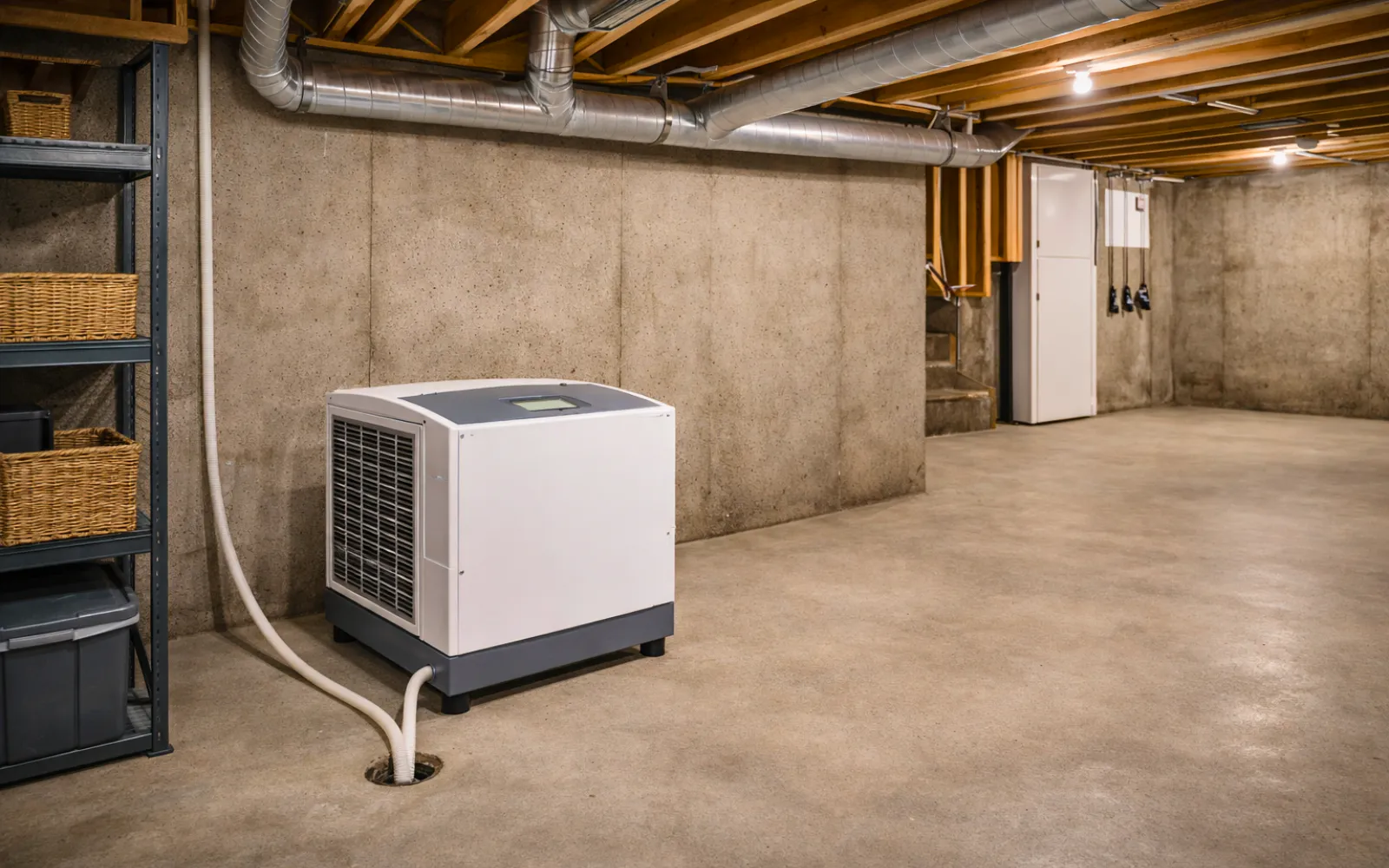
The EPA also recommends fully drying wet or damp materials within 24 to 48 hours to help prevent mold growth.
One important warning: prevention can go too far if a home is sealed so tightly that moisture can’t escape. Caleb described this as an issue in newer, energy-efficient homes where poor ventilation and trapped moisture can create major mold problems.
Good prevention isn’t about sealing everything shut. It’s about keeping water where it belongs, controlling humidity, and making sure the home can dry properly.
If your home has had leaks, high humidity, basement moisture, or recurring musty odors, Spotless can help you understand what needs to change so the mold doesn’t keep coming back.
Conclusion: Get Mold Remediation Done Right the First Time
Mold problems are stressful, especially when they impact your health, but they’re not something you have to figure out alone. The most important thing is to avoid shortcuts and to choose the right partner. A quick spray, a surface wipe, or a rushed tear-out may make the problem look better for a while, but proper mold remediation should address the source, protect the rest of the home, remove or treat affected materials correctly, and consider the air your family is breathing.
“My goal is to work with [my clients] once in their life.”
Caleb Jones
That’s the heart of Spotless’ approach. The goal isn’t to keep coming back for the same problem. It’s to help homeowners understand what’s happening, fix what needs to be fixed, and reduce the chance of mold returning.
If you’re concerned about mold in your Lexington-area home, especially if there’s been water damage, musty odors, recurring growth, or health concerns in the family, Spotless can help you take the next step with a clear, health-focused plan.
Concerned about mold in your Lexington-area home? Schedule a free visual inspection and get honest answers about what’s going on inside your home.
Spotless is the most trusted name in restoration in central Kentucky including Lexington, Nicholasville and surrounding communities.
Specializing in health-focused mold remediation and water damage restoration, we leave mold-affected clients with a healthier home.
Call 859-459-0424 and speak to a technician today!